Hematite Cluster – Brazil
A complex topography of crystalline points, characterized by iron-rich warmth and structural clarity.
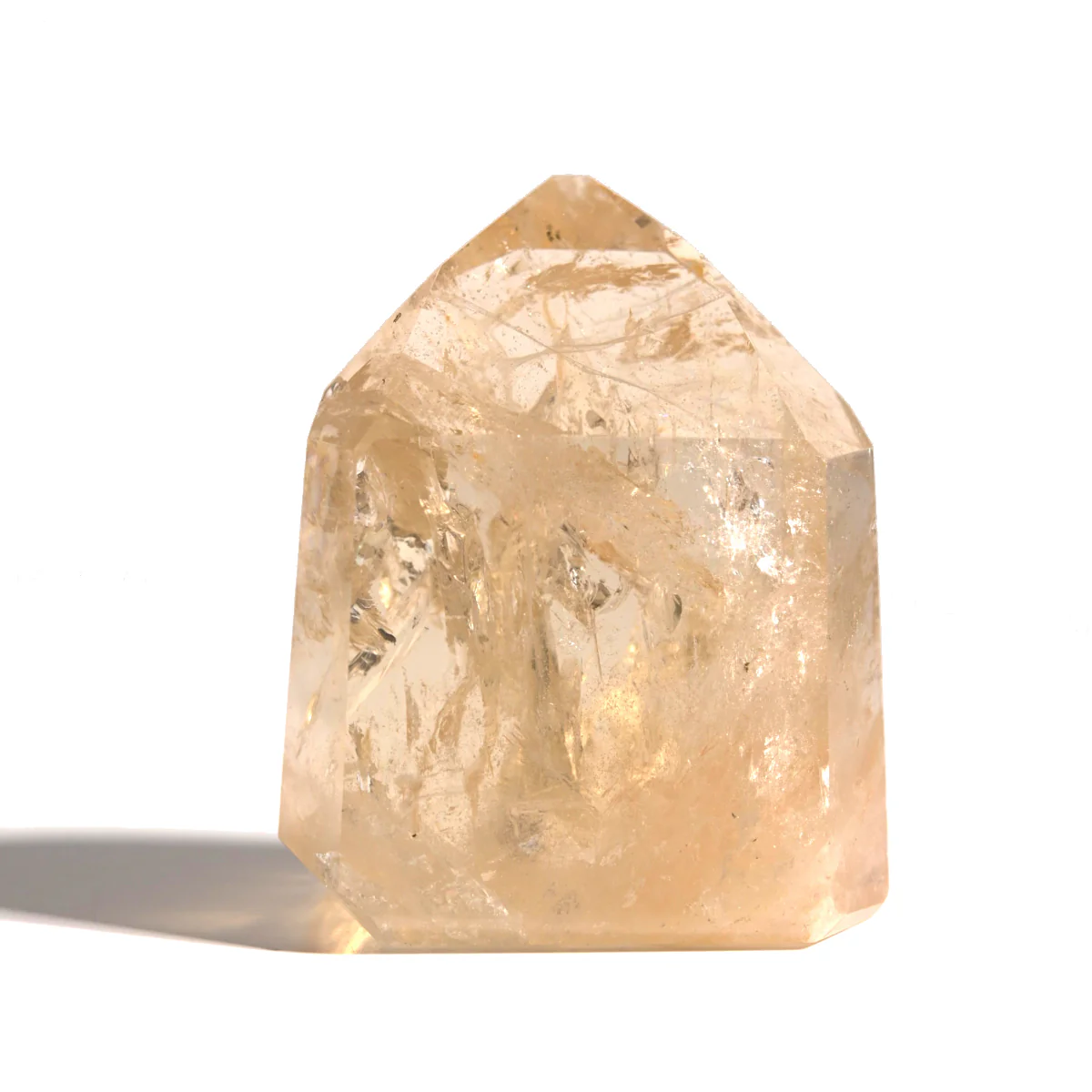
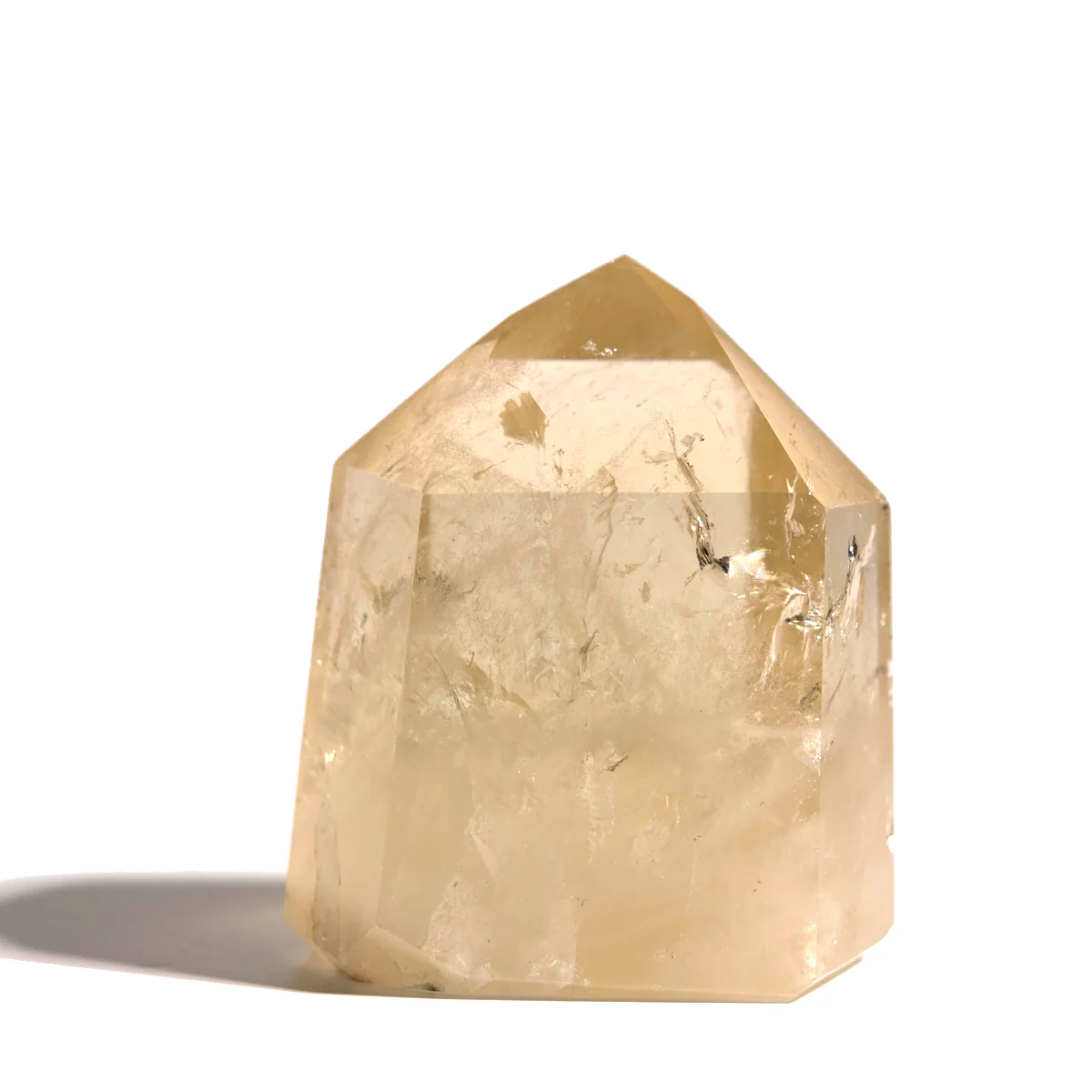
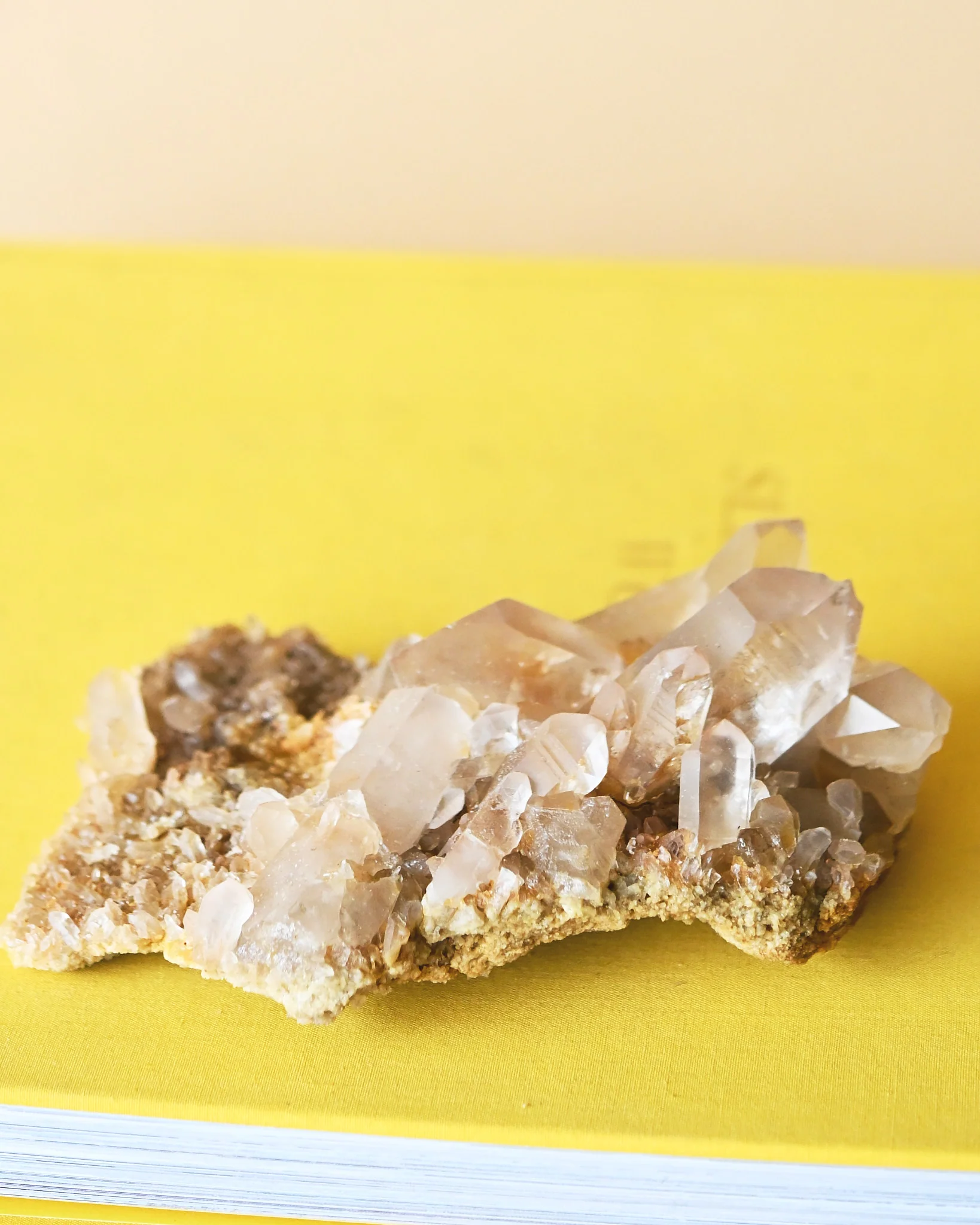
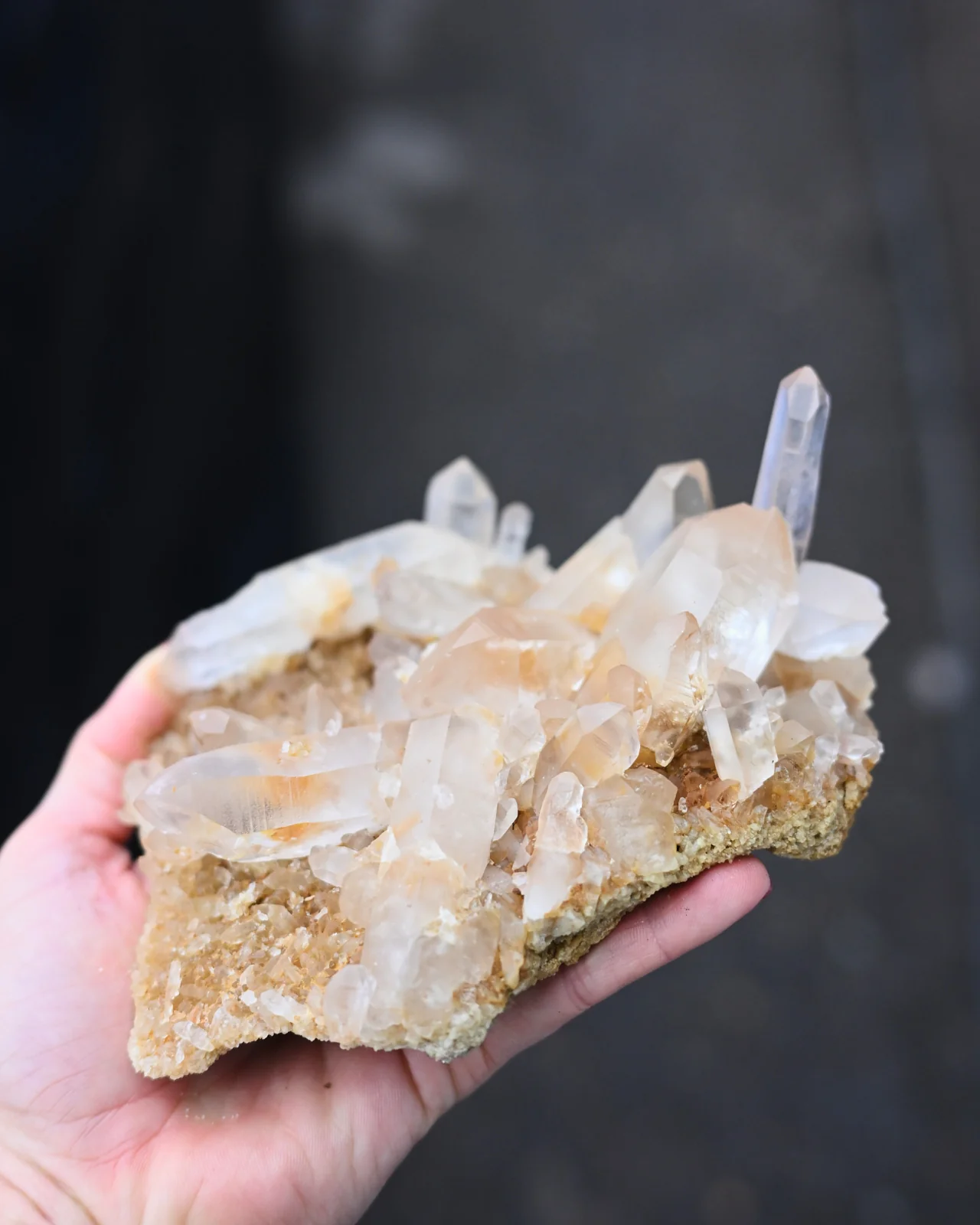
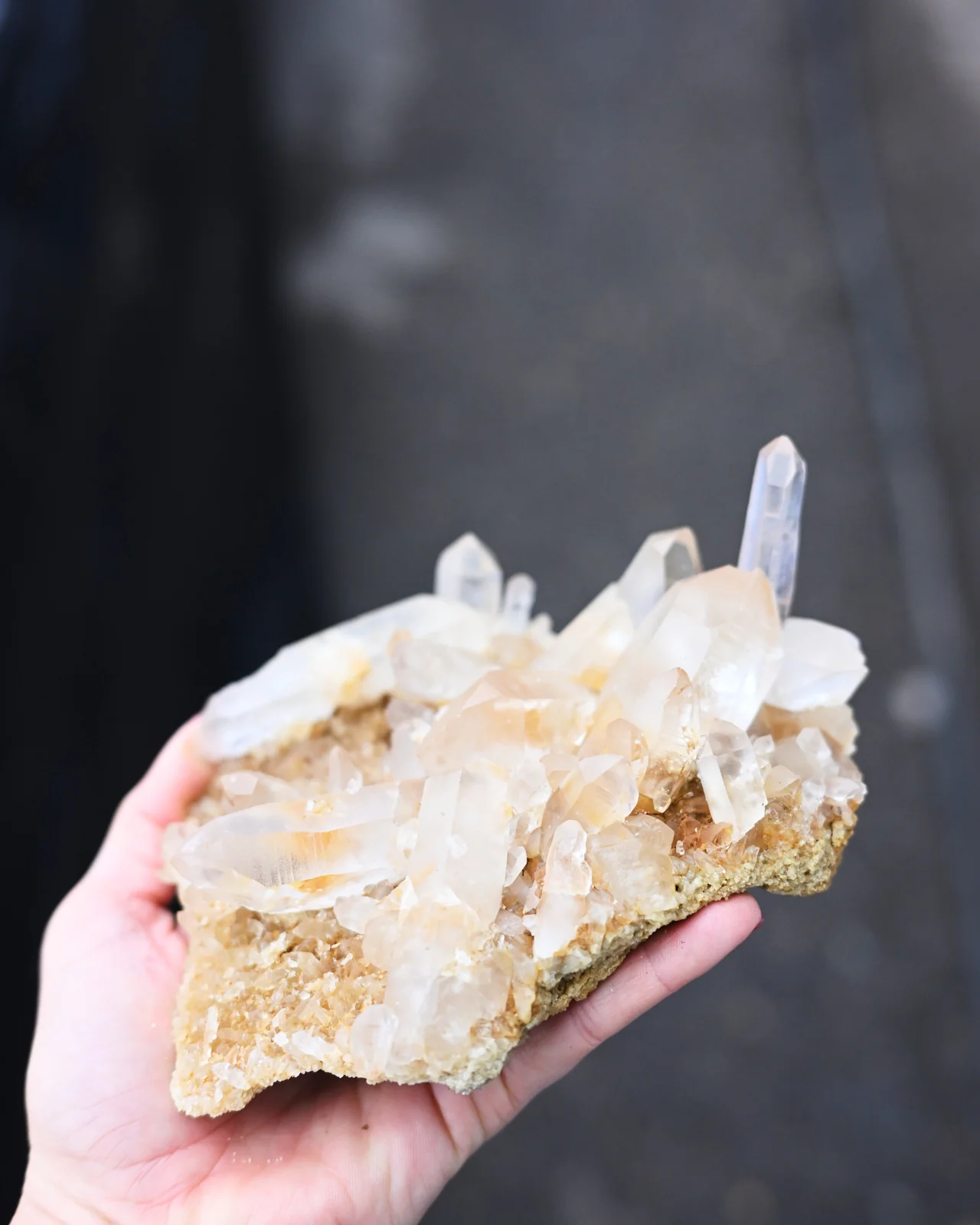
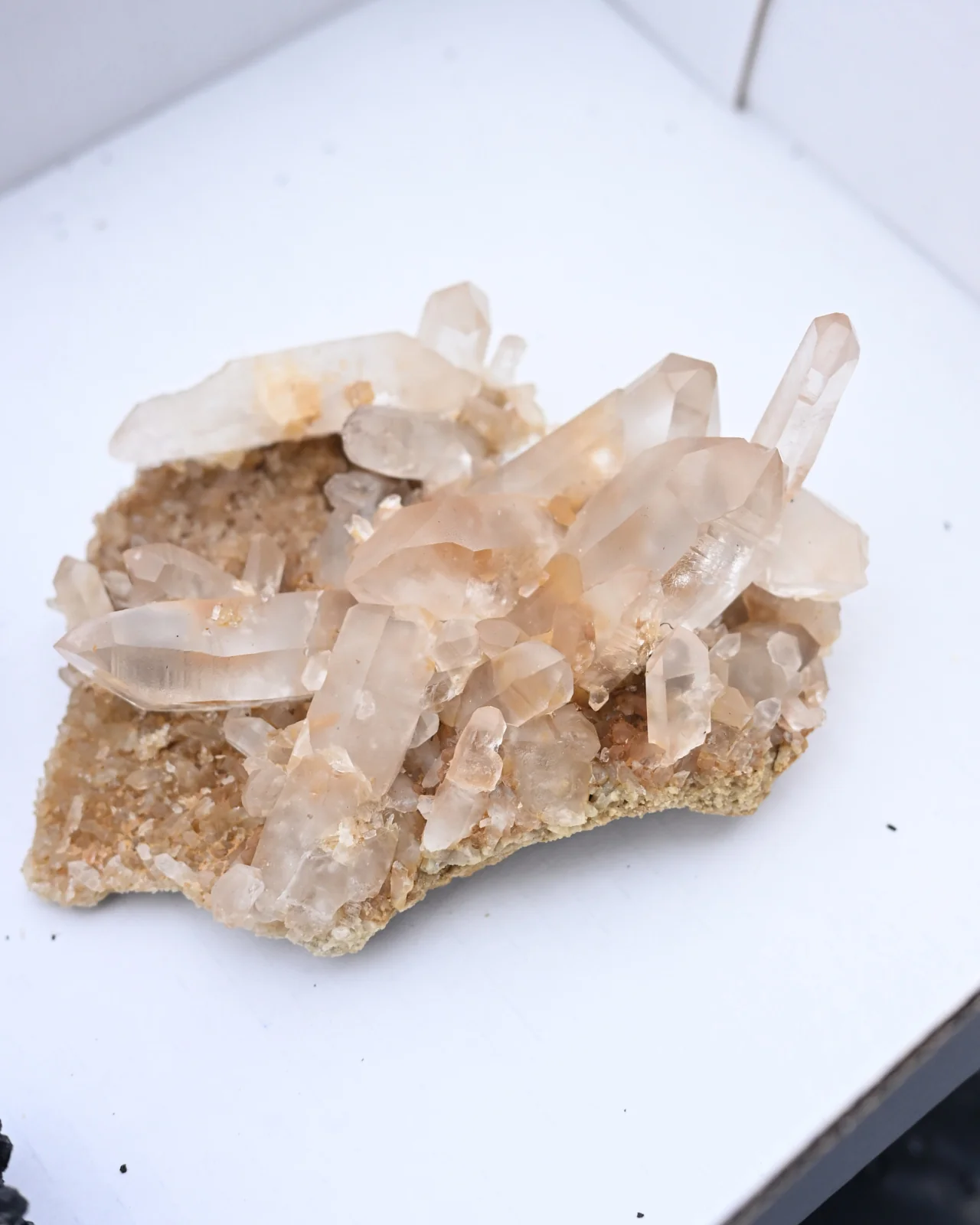
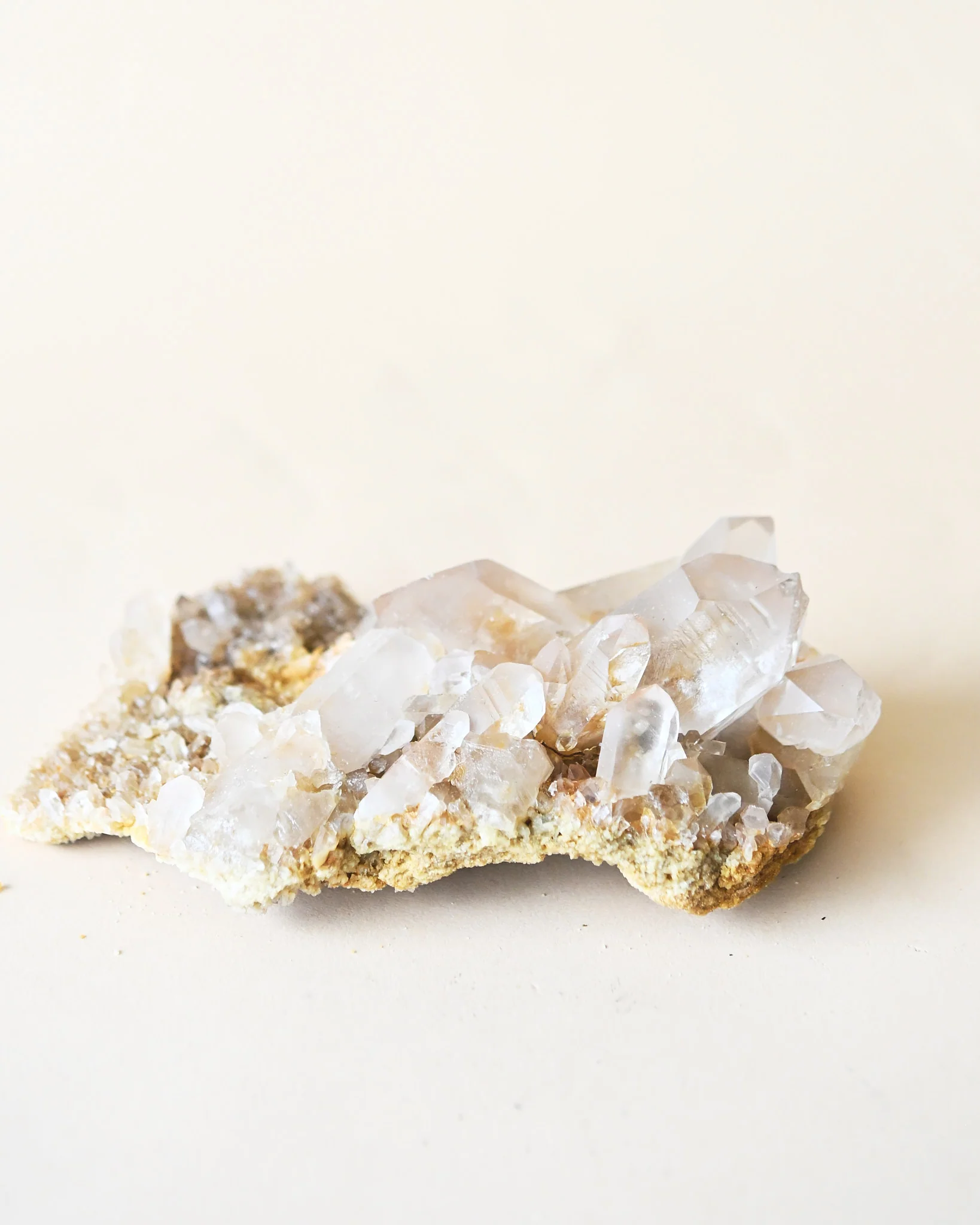
This specimen from the mineral-rich regions of Brazil presents a dense field of quartz terminations emerging from a rugged, textured matrix. The crystals exhibit a range of transparencies, from milk-hued bases to glass-like points, all unified by the presence of hematite which lends a subtle, golden-amber depth to the crystalline lattice.
The cluster’s expansive, horizontal orientation allows it to function as a significant grounding element. Unlike polished objects, this piece remains in its natural state, preserving the sharp geometry and raw geological history of its formation.
STONE & COMPOSITION
This specimen is a synergy of Macro-crystalline Quartz and Hematite (iron oxide). The characteristic warmth within the crystals is a result of hematite inclusions or "staining" that occurred during the hydrothermal growth process. This natural interaction creates a palette of ochre and sienna that contrasts beautifully with the clarity of the quartz.
DESIGN DETAILS
Sourced for its architectural integrity, this cluster features multiple prismatic terminations and tabular crystal habits. It is a singular, unrepeatable specimen of significant mass.
Origin: Brazil
STYLING NOTES
The intricate, multi-faceted surface of this cluster is best appreciated under direct, overhead light which highlights the internal "fire" of the hematite inclusions. Its substantial footprint makes it an ideal centerpiece for a minimalist desk or a low-slung travertine coffee table. Pair with dark wood or matte charcoal surfaces to emphasize its warm tonal profile.
CARE & MAINTENANCE
Due to the complex, recessed areas between the crystal points, we recommend using compressed air or a soft-bristled artist's brush for dusting. Avoid water-based cleaning if possible to preserve the delicate mineral matrix. Handle with care,
Explore our Quartz Collection or view more Brazilian Specimens.
Original: $99.00
-65%$99.00
$34.65Product Information
Product Information
Shipping & Returns
Shipping & Returns
Description
A complex topography of crystalline points, characterized by iron-rich warmth and structural clarity.
This specimen from the mineral-rich regions of Brazil presents a dense field of quartz terminations emerging from a rugged, textured matrix. The crystals exhibit a range of transparencies, from milk-hued bases to glass-like points, all unified by the presence of hematite which lends a subtle, golden-amber depth to the crystalline lattice.
The cluster’s expansive, horizontal orientation allows it to function as a significant grounding element. Unlike polished objects, this piece remains in its natural state, preserving the sharp geometry and raw geological history of its formation.
STONE & COMPOSITION
This specimen is a synergy of Macro-crystalline Quartz and Hematite (iron oxide). The characteristic warmth within the crystals is a result of hematite inclusions or "staining" that occurred during the hydrothermal growth process. This natural interaction creates a palette of ochre and sienna that contrasts beautifully with the clarity of the quartz.
DESIGN DETAILS
Sourced for its architectural integrity, this cluster features multiple prismatic terminations and tabular crystal habits. It is a singular, unrepeatable specimen of significant mass.
Origin: Brazil
STYLING NOTES
The intricate, multi-faceted surface of this cluster is best appreciated under direct, overhead light which highlights the internal "fire" of the hematite inclusions. Its substantial footprint makes it an ideal centerpiece for a minimalist desk or a low-slung travertine coffee table. Pair with dark wood or matte charcoal surfaces to emphasize its warm tonal profile.
CARE & MAINTENANCE
Due to the complex, recessed areas between the crystal points, we recommend using compressed air or a soft-bristled artist's brush for dusting. Avoid water-based cleaning if possible to preserve the delicate mineral matrix. Handle with care,
Explore our Quartz Collection or view more Brazilian Specimens.